The pre-development analysis is a crucial step in any real estate project. It helps to determine the viability and profitability of the project before committing to significant investments. At Alyzé, here are the different steps we follow to carry out an effective pre-development analysis.
Define the project objectives
The first step is to clearly define the project objectives. This includes the type of development (residential, commercial, mixed), the scale of the project, financial expectations, and timelines. A clear vision helps to guide all subsequent steps.
Site selection
Choosing the site is critical to the project's success. This step involves:
Accessibility Assessment: examining the proximity of transportation, infrastructure, and services.
Topography and Soil Study: analyzing the physical characteristics of the land and any potential geotechnical constraints.
Local Regulation: checking zoning rules and necessary permits.
Market study
The market study is essential to understand the existing demand and supply. It should include:
Demand Analysis: assessing the demand for the proposed type of development in the target area.
Supply Analysis: examining existing or ongoing similar projects in the region.
Trend Analysis: identifying market trends that may influence the project (prices, consumer preferences, etc.).
Planning and design
This step involves creating detailed plans for the project. This includes:
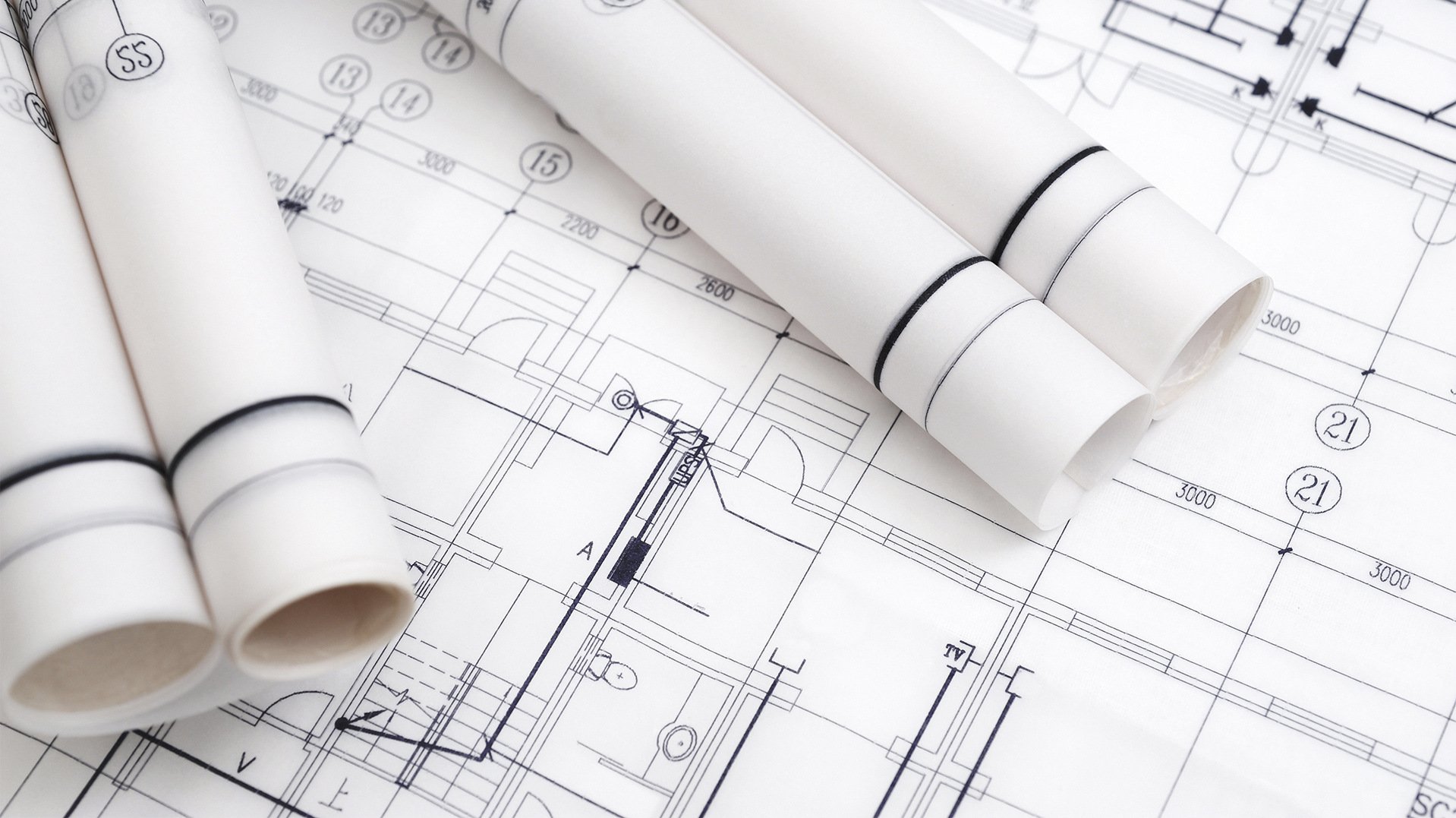
Architectural Design: drawing plans for buildings and infrastructure.
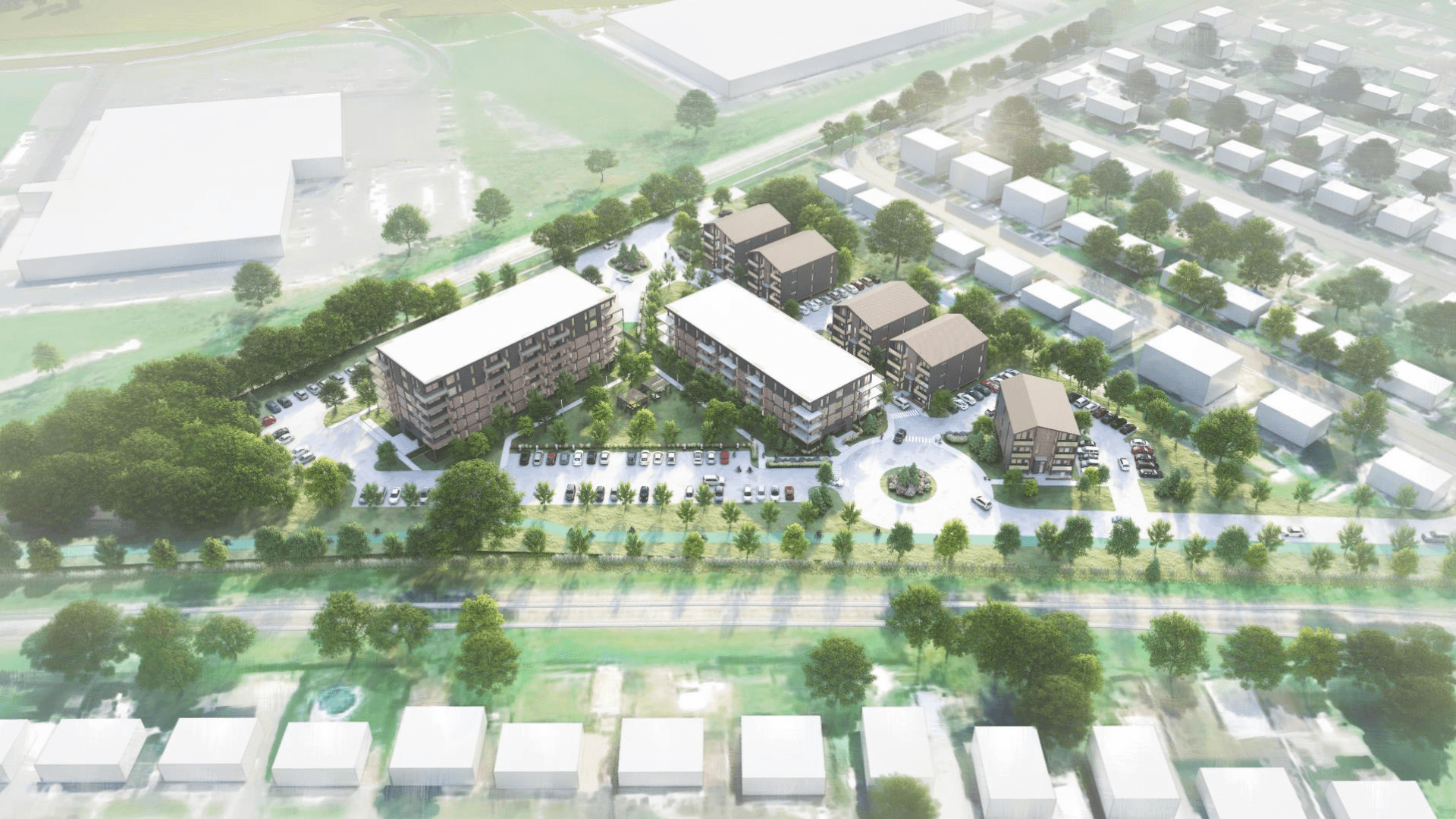
Spatial Planning: arranging the various components of the project on the site.
Stakeholder Consultation: engaging local stakeholders (authorities, residents) to gather feedback and support.
Feasibility Study and Risk Analysis
The feasibility study assesses whether the project is technically and financially feasible. It includes a technical analysis (study of technical aspects such as water, electricity networks, etc.), a cost estimate (construction, labor, materials, etc.), and a financial analysis.
On the other hand, the risk analysis anticipates potential challenges. The main risks to analyze include:
Regulatory Risks: changes in local laws and regulations.
Financial Risks: fluctuations in interest rates, changes in material costs.
Environmental Risks: impact on the environment, natural risks (floods, earthquakes).
Preparing the business plan
A solid business plan is necessary to attract investors and obtain funding. It should include:
Project Presentation: objectives, site description, development plan.
Financial Analysis: projections of revenues and expenses, profitability analyses.
Financing Plan: strategy for raising funds, personal contributions, bank loans, investors.
Obtaining permits and approvals
Before starting construction, it is crucial to obtain all necessary approvals. This includes:
Building Permit: applying for and obtaining building permits.
Environmental Authorization: ensuring that the project complies with local environmental standards.
Regulatory Compliance: verifying that all aspects of the project comply with local regulations.
Conclusion
A rigorous pre-development analysis is essential to ensure the success of a real estate project. By following these steps, developers can identify opportunities, assess risks, and create solid plans to maximize profitability and minimize surprises along the way. A well-prepared project is a project with a better chance of success.
To learn more about our services or discover how Alyzé can help you realize your projects, feel free to contact us 👀
Similar news
Follow our news to learn more about our upcoming projects, events, and initiatives.