The importance of Functional and Technical Programs (FTP) in real estate
Patrice Deslauriers
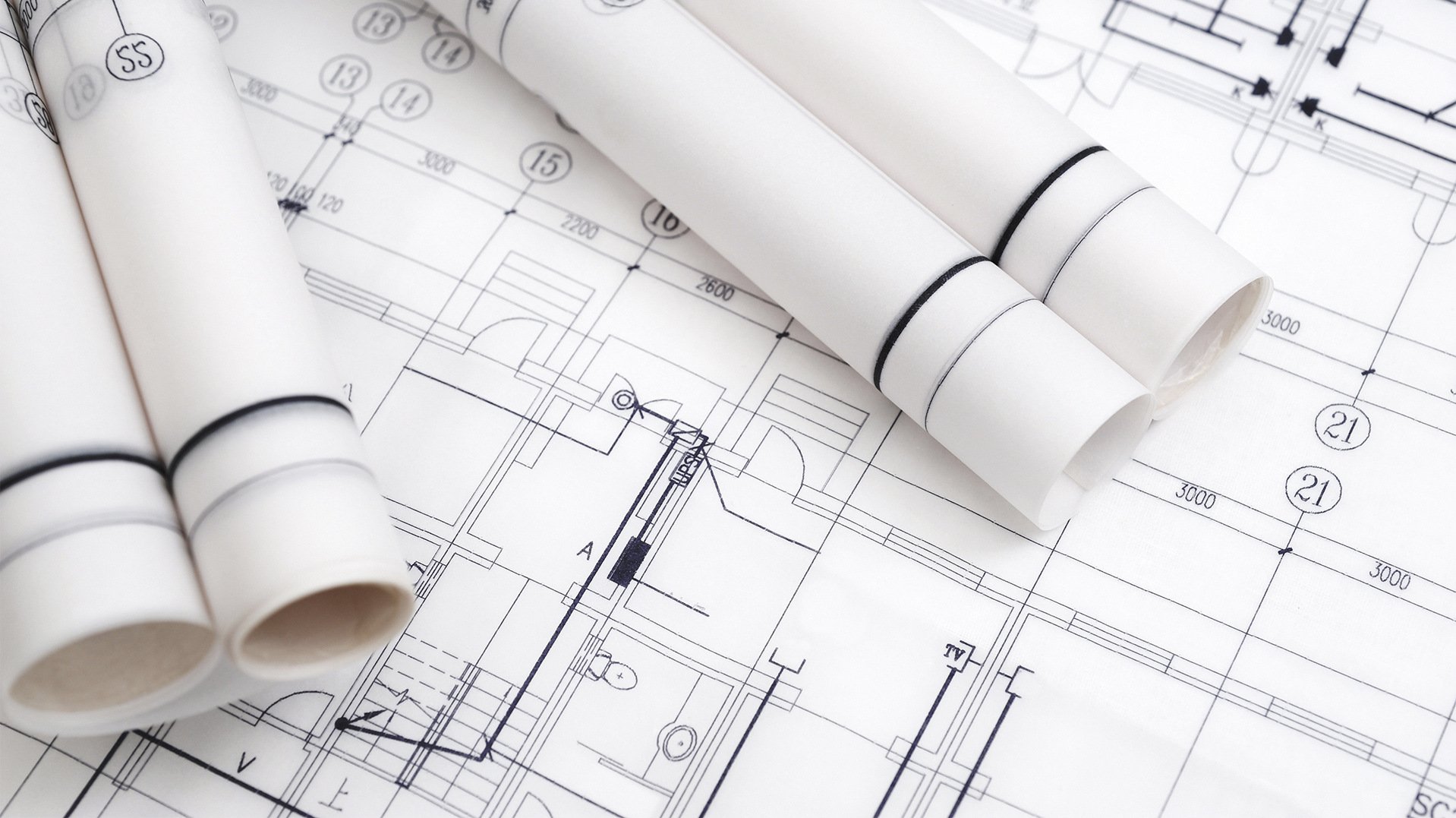
In the field of real estate development, planning is essential to ensure the success of a project. Among the essential strategic tools, the Functional and Technical Program (PFT) plays a decisive role. It helps guide the design, optimize resources, and ensure compliance with the needs of future residents. But what exactly is a PFT, and why is it so important for real estate promoters and developers?
What is a Functional and Technical Program (PFT)?
A Functional and Technical Program (PFT) is an essential document in real estate that defines the needs, technical requirements, and expected performance of a real estate project. It serves as a reference throughout the design and construction process, ensuring consistency between the promoter's vision and the expectations of stakeholders.
It particularly specifies the functions of the spaces, the layout of units, the arrangement of rooms, and the finishes required for the project. Architects, engineers, and contractors rely on this document to develop the project while respecting initial expectations and constraints.
Why is it essential for real estate promoters and developers?
For promoters and developers, the PFT is a fundamental tool that allows them to structure their project rigorously. It facilitates coordination among the various stakeholders in the project and reduces risks related to unforeseen events, cost overruns, and non-compliance.
It also serves as a basis for calls for tenders and negotiations with suppliers, ensuring transparency and a common understanding of requirements. By asking the right questions from the outset, it facilitates decision-making and avoids repeating the same mistakes on different projects.
What are the competitive advantages of a PFT?
A well-designed PFT provides several strategic advantages to real estate promoters:
Cost and time optimization : by precisely defining project requirements from the start, it limits costly modifications along the way.
Better construction quality : it ensures compliance with architectural and technical quality standards.
Facilitation of regulatory approvals : a well-structured PFT helps demonstrate project compliance with municipal and regulatory requirements.
Project enhancement : by integrating principles of sustainability and energy efficiency, it improves the project's attractiveness to investors and buyers.
Better appeal and profitability : by addressing the real needs of buyers, it maximizes the project's chances of success.
What are the mistakes to avoid in its development?
Despite its importance, developing a PFT can involve certain mistakes that harm the project's success. Among the most common:
Lack of clarity and precision : a PFT that is too vague or poorly defined leads to misunderstandings and misinterpretations.
Omission of end-user needs : a real estate project must meet the expectations of future occupants; neglecting this aspect can detract from its attractiveness.
Absence of flexibility : a PFT that is too rigid may limit adaptability to market constraints or new trends. A PFT is a document that should be evolving and up to date.
Underestimation of costs and timelines : poor initial planning can lead to budget overruns and significant delays.
What is its strategic importance?
Beyond mere technical planning, the PFT is a strategic lever that influences the viability and profitability of the real estate project. It helps secure investments by ensuring that decisions made are aligned with business objectives and market needs.
Furthermore, it promotes a proactive approach to the challenges of real estate development, anticipating risks and integrating suitable solutions from the initial phase of the project.
What is the role of the real estate developer in its design?
The real estate developer acts as the conductor in the development of the PFT. They define the overall vision of the project, coordinate stakeholders, and ensure the integration of functional and technical requirements while respecting budget constraints.
They collaborate with urban planners, architects, engineers, and consultants to design a program that aligns with market trends, regulations, and the expectations of end-users. They also ensure that the requirements of the PFT are applied on site.
Conclusion
The Functional and Technical Program (PFT) is much more than just a document: it is a strategic tool essential for optimizing the management of real estate projects, reducing risks, and maximizing added value. Investing time and resources in its development is a guarantee of success and sustainability.
👉🏼 Want to learn more about the PFT? Watch our webinar dedicated to the subject.
Similar news
Follow our news to learn more about our upcoming projects, events, and initiatives.