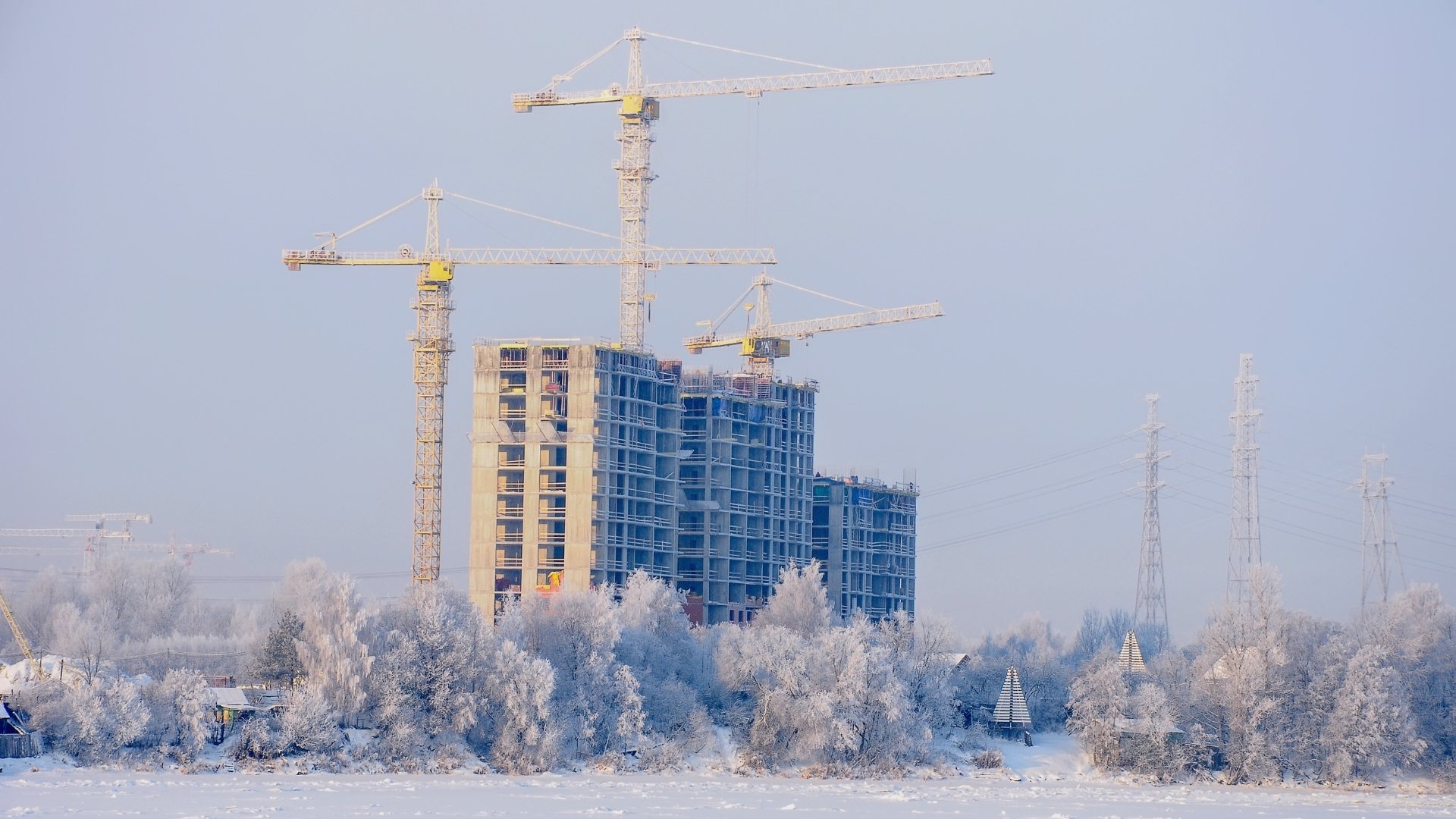
For many, winter means snow sports, fireside moments at the cottage, and enchanting landscapes covered in white. But in the construction world, the reality is quite different: cold, snow, and ice can quickly lead to delays and cost overruns. However, ensuring the continuation of worksites, even in winter, is essential to meet delivery deadlines. So, how can you effectively prepare and protect a worksite during the cold season? Discover our best practices for winterizing your construction projects.
Good Planning of Works
Thorough planning is essential to ensure the smooth running of worksites during the cold season. Ideally, work that requires milder temperatures should be completed before winter arrives. When it is not possible to advance them, it is crucial to anticipate them to prepare materials, equipment, and necessary resources in advance.
By also defining the major milestones and objectives in advance, the schedule can be adapted and more time can be allowed for tasks that, under winter conditions, naturally take longer. A flexible schedule that is planned ahead allows for limiting delays and better controlling costs associated with winter conditions. In summary, meticulous preparation is key to ensuring the effective execution of works in winter.
Use of Suitable Equipment
As we saw earlier, certain tasks simply cannot be postponed in the schedule and must be carried out despite the cold. To face winter challenges, several technologies and suitable equipment have been developed over the years. Among the most commonly used are:
Floor heaters and insulating blankets, which prevent ice accumulation and keep work surfaces usable.
Concrete additives, which accelerate hardening and protect the mix from freezing.
Antifreeze agents, essential to prevent water systems and certain equipment from freezing.
De-icing materials like sand, salt, or gravel, which reduce ice formation and improve ground traction.
Ensuring the Health and Safety of Workers
No matter the season, the health and safety of workers should always remain the top priority. In winter, it is essential to adapt the worksite to the harsh conditions by adding, for example, heating units to maintain a safe and comfortable work environment, and providing more breaks during extreme cold to reduce the risk of slips, frostbite, or fatigue.
Daily use of snowplows and blowers is also necessary to keep surfaces clear and safe. Finally, teams should be equipped with appropriate clothing, such as insulated coats, gloves, and headgear, to work safely despite freezing temperatures.
Conclusion
In Quebec, as elsewhere in Canada, we must juggle with the winter reality on our construction sites. With past experiences and new technologies, it is now possible to effectively winterize construction sites to keep them open while respecting budgets and established deadlines. To achieve this, simply plan ahead, equip yourself with the necessary tools and equipment, and, above all, ensure the safety and comfort of the workers.
Similar news
Follow our news to learn more about our upcoming projects, events, and initiatives.